

Millions of adults across the United States struggle with bladder leakage every day. Many people mistakenly believe this condition is simply a normal part of getting older. Because of this misconception, they often suffer in silence instead of seeking the help they truly deserve.
You do not have to accept these limitations as your new reality. Taking the first step toward an accurate incontinence diagnosis allows you to understand the root cause of your symptoms. Once you identify the specific type of issue you face, you can regain your confidence and improve your daily life.
Professional medical guidance remains the most reliable path forward. By exploring modern urinary incontinence treatment options, you can restore your bladder control effectively. This article provides a clear roadmap of evidence-based Therapies to Manage incontinence so you can make informed decisions about your health.
Key Takeaways
- Urinary leakage is a common medical condition, not an inevitable result of aging.
- Seeking professional help is the most important step toward finding relief.
- An accurate diagnosis helps identify the specific type of bladder issue you are experiencing.
- Evidence-based treatments can significantly improve your quality of life and daily comfort.
- You have access to a wide range of effective solutions to regain your independence.
Understanding the Types and Causes of Incontinence
Many people experience urinary leakage, but identifying the specific type is the first step toward relief. Because symptoms vary significantly between individuals, recognizing the patterns of your condition helps you navigate your options. By understanding these nuances, you can better prepare for conversations with your healthcare provider.
Distinguishing Between Stress and Urge Incontinence
Stress incontinence occurs when physical movement puts pressure on your bladder. Activities like coughing, sneezing, or lifting heavy objects often trigger this type of urinary leakage. It typically results from weakened pelvic floor muscles that can no longer support the bladder effectively.
In contrast, urge incontinence involves a sudden, intense need to urinate that you cannot suppress. This condition often stems from an overactive bladder muscle that contracts even when the bladder is not full. While both types involve loss of control, they require different approaches for effective management.
| Feature | Stress Incontinence | Urge Incontinence |
|---|---|---|
| Primary Trigger | Physical pressure | Sudden bladder spasm |
| Common Cause | Weakened pelvic muscles | Overactive bladder nerves |
| Typical Symptom | Leakage during activity | Frequent, urgent need |
Identifying Underlying Medical Triggers
Several external factors can contribute to or worsen your symptoms. Urinary tract infections are common culprits that irritate the bladder lining and cause temporary loss of control. Additionally, certain medications, such as diuretics or sedatives, may increase the frequency of your bathroom visits.
Chronic conditions like diabetes or neurological disorders also play a significant role in bladder health. Identifying these triggers is vital for your medical team to address the root cause rather than just the symptoms. Keeping a bladder diary can help you track how specific foods or drinks affect your comfort levels.
The Importance of Professional Diagnosis
Seeking an accurate incontinence diagnosis is essential for creating a successful care plan. A professional evaluation allows your doctor to rule out serious underlying issues and confirm the specific type of dysfunction you face. This clarity ensures that your chosen urinary incontinence treatment is both safe and effective for your unique needs.
Do not hesitate to discuss your concerns openly during your appointment. Your doctor may perform physical exams or order simple tests to pinpoint the exact cause of your discomfort. With the right guidance, you can regain confidence and improve your daily quality of life.
Behavioral Therapies to Manage Incontinence
Taking charge of your bladder health starts with understanding how your daily habits influence your system. Behavioral therapies serve as a primary, non-invasive approach to help you regain control. By combining these methods with consistent pelvic floor exercises, you can often see significant improvements in your quality of life.
Bladder Training Techniques
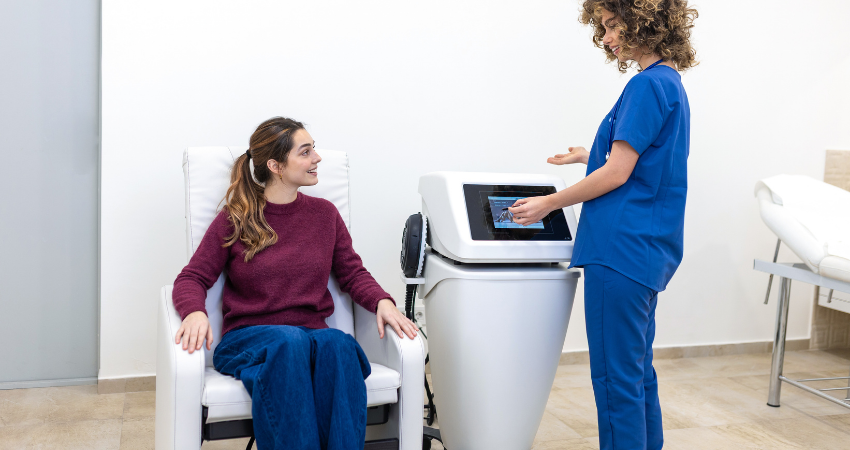
Bladder training is a highly effective method for those dealing with urge incontinence. The goal is to gradually increase the time between your bathroom visits. You start by resisting the initial urge to void, using relaxation techniques to calm the bladder muscle.
Over time, this practice helps your brain and bladder communicate more effectively. As you become more comfortable, you can extend the intervals between trips to the restroom. This process is a cornerstone of effective lifestyle changes for bladder health.
Implementing Scheduled Voiding Programs
If you struggle with frequent accidents, a scheduled voiding program provides the structure you need. Instead of waiting for a strong urge, you visit the restroom at set intervals throughout the day. This routine prevents your bladder from becoming overly full, which reduces the risk of leakage.
You might start by going every hour and slowly increasing the time as your control improves. Keeping a bladder diary can help you track your progress and identify patterns. This consistency is key to mastering your bladder function.
Fluid Management Strategies
What you drink and when you drink it plays a major role in your symptoms. While staying hydrated is essential, you should avoid consuming large amounts of fluid right before bedtime. Limiting intake in the evening can help you sleep through the night without interruption.
Certain beverages, such as caffeine and alcohol, act as bladder irritants and may worsen your condition. Monitoring your intake helps you identify which liquids trigger your symptoms. The following table outlines common strategies to help you manage your daily habits.
| Strategy | Primary Benefit | Frequency |
|---|---|---|
| Bladder Training | Increases capacity | Daily practice |
| Scheduled Voiding | Prevents urgency | Every 1-3 hours |
| Fluid Monitoring | Reduces irritation | Throughout the day |
| Pelvic Exercises | Strengthens support | Multiple sets daily |
Pelvic Floor Physical Therapy and Exercises
Taking control of your pelvic health starts with understanding how to engage the right muscle groups. Strengthening the muscles that support your bladder and urethra is a vital component of managing stress incontinence. By focusing on these specific areas, you can prevent leakage during physical exertion and improve your daily comfort.
Mastering Kegel Exercises for Strength
Kegel exercises are the foundation of pelvic floor health. To perform them correctly, you must first identify the muscles used to stop the flow of urine. Once you isolate these muscles, contract them for three to five seconds, then relax for the same amount of time.
Consistency is key to seeing results. Aim for three sets of ten repetitions every day to build endurance. Over time, these pelvic floor exercises will help you gain better control, which complements your broader bladder training efforts.
The Role of Biofeedback in Muscle Control
Sometimes, it is difficult to know if you are contracting the correct muscles. Biofeedback technology provides real-time data on your muscle activity, ensuring you are performing your movements accurately. Sensors detect your muscle contractions and display them on a screen, allowing you to visualize your progress.
This immediate feedback loop helps you refine your technique quickly. By seeing exactly how your body responds, you can adjust your effort to maximize the effectiveness of your routine. This technology is a powerful tool for those who struggle with traditional methods.
Working with Specialized Pelvic Floor Therapists
Engaging with a specialized pelvic floor therapist can further optimize your results through personalized training regimens. These professionals conduct thorough assessments to identify your specific needs. They then create a tailored plan that addresses your unique challenges with stress incontinence.
- Improved muscle coordination and strength.
- Reduced frequency of accidental leakage.
- Enhanced confidence during physical activities.
- Customized guidance for long-term bladder training success.
Working with a therapist ensures that you are not just exercising, but training your body effectively. They provide the accountability and expertise needed to reach your goals safely. With their support, you can navigate your recovery with greater clarity and success.
Pharmacological Interventions and Medications
When behavioral changes are not enough, your medical provider may suggest pharmacological interventions to manage your symptoms. These treatments aim to calm the bladder muscle and improve your overall quality of life. It is essential to discuss these options with your healthcare provider to find the best fit for your specific health profile.
Anticholinergic Drugs for Overactive Bladder
Anticholinergic medications are frequently prescribed to treat an overactive bladder. They work by blocking nerve signals that cause the bladder to contract involuntarily. By calming these muscle spasms, these drugs help reduce the sudden, intense need to urinate.
While effective, you should be aware of potential side effects. Common issues include dry mouth, constipation, and blurred vision. Your doctor will monitor your progress to ensure the benefits outweigh these discomforts.
Beta-3 Adrenergic Agonists
Beta-3 adrenergic agonists offer a different approach to managing bladder control. These medications help relax the bladder muscle during the filling phase. This relaxation allows the bladder to hold more urine, which helps you manage urge incontinence more effectively.
Many patients prefer this class of medication because it often has a different side effect profile than older treatments. It is a common choice for those who cannot tolerate the side effects of anticholinergics. Always consult your medical provider to see if this is a suitable option for your needs.
Topical Estrogen Therapy for Postmenopausal Women
For postmenopausal women, hormonal changes can sometimes contribute to bladder issues. Topical estrogen therapy can help restore the health of the tissues in the urethra and vaginal area. This treatment may improve the strength of the pelvic support structures.
By applying a low-dose cream, ring, or tablet, you can address localized symptoms effectively. This method minimizes systemic absorption compared to oral hormones. It is a targeted way to support bladder function and comfort.
| Medication Type | Primary Function | Common Side Effects |
|---|---|---|
| Anticholinergics | Blocks bladder contractions | Dry mouth, constipation |
| Beta-3 Agonists | Relaxes bladder muscle | Increased blood pressure |
| Topical Estrogen | Restores tissue health | Localized irritation |
Medical Devices and Supportive Products
When dealing with incontinence management, several non-surgical options offer effective relief. These tools provide mechanical support or physical barriers to help you maintain your daily routine with confidence. By integrating these devices into your lifestyle, you can address urinary leakage while exploring other long-term treatment paths.
Urethral Inserts and Pessaries
Urethral inserts are small, disposable devices that you place into the urethra to act as a temporary plug. They are particularly useful for preventing leakage during specific activities like exercise or heavy lifting. Once you finish your activity, you simply remove and discard the device.
Pessaries are silicone devices designed to be inserted into the vagina to support the bladder neck. By providing structural reinforcement, they help reduce the frequency of accidental bladder emptying. You should consult a healthcare provider to ensure the correct size and fit for your anatomy.
Absorbent Products and Skin Protection
Choosing the right absorbent products is a cornerstone of effective incontinence management. Modern options range from discreet liners to high-capacity briefs that lock away moisture and neutralize odors. Selecting the correct absorbency level ensures you stay dry and comfortable throughout the day.
Maintaining skin health is equally important when using these products. You should use barrier creams or protective ointments to prevent irritation caused by prolonged moisture exposure. Regularly changing your absorbent pads helps keep your skin healthy and prevents discomfort.
External Catheter Systems for Men and Women
External catheters offer a non-invasive alternative to internal drainage systems. For men, condom catheters provide a comfortable way to manage urinary leakage without the risks associated with indwelling tubes. These systems connect to a collection bag, allowing for discreet use during the day or night.
Women also have access to external collection devices that utilize wicking technology to draw fluid away from the body. These systems are designed to be gentle on the skin while providing reliable protection. They are excellent options for those who prefer to avoid internal catheters.
| Device Type | Primary Benefit | Best Use Case |
|---|---|---|
| Urethral Inserts | Immediate blockage | Physical activity |
| Pessaries | Structural support | Daily bladder neck support |
| Absorbent Pads | Moisture control | General daily protection |
| External Catheters | Continuous drainage | Overnight or mobility issues |
Minimally Invasive Procedures and Surgical Options
When conservative methods fail to provide relief, you may consider surgical options for incontinence. These interventions are often recommended when lifestyle changes and physical therapy do not yield the desired results. Discussing these paths with your urologist helps you determine if a procedure is the right choice for your specific health needs.
Bulking Agent Injections
Bulking agents are a minimally invasive treatment designed to help close the urethra more effectively. During this procedure, a doctor injects a substance into the tissues surrounding the urethra. This added volume helps the sphincter seal more tightly, which reduces leakage during physical activity.
This approach is often chosen for patients who prefer a quick, outpatient procedure. While it may not be as permanent as other surgeries, it provides a helpful boost for those managing mild to moderate stress incontinence.
Mid-Urethral Sling Procedures
A mid-urethral sling is a common and highly effective treatment for persistent stress incontinence. In this surgery, a thin mesh strip is placed under the urethra to act as a supportive hammock. This support prevents the urethra from moving downward during sudden pressure, such as coughing or sneezing.
Most patients experience significant improvement in their symptoms shortly after the procedure. It is considered a gold standard for many individuals seeking a long-term solution to their bladder control challenges.
Artificial Urinary Sphincters
For more severe or complex cases, an artificial urinary sphincter may be the most appropriate intervention. This device consists of a cuff that fits around the urethra, a pump, and a small reservoir. You can manually activate the pump to open the cuff when you need to empty your bladder.
This option is typically reserved for patients who have not found success with other methods. While it is a more involved surgery, it offers a high degree of control for those with significant urinary issues.
| Procedure Type | Primary Goal | Invasiveness | Best For |
|---|---|---|---|
| Bulking Injections | Urethral support | Low | Mild leakage |
| Mid-Urethral Sling | Mechanical support | Moderate | Stress incontinence |
| Artificial Sphincter | Controlled release | High | Severe cases |
It is important to note that while these surgeries are effective, they are distinct from neuromodulation therapies. Your medical team will evaluate your history to see which approach aligns best with your anatomy and lifestyle goals.
Lifestyle Modifications for Better Bladder Control
Your journey toward better bladder health begins with the choices you make every single day. Small, consistent adjustments to your routine can lead to significant improvements in your overall bladder control. By focusing on these areas, you can take active steps toward better health and comfort.
Dietary Adjustments and Irritant Elimination
What you consume plays a major role in how your bladder functions. Certain foods and drinks act as stimulants that can increase urgency or frequency. Identifying these triggers is a key part of effective incontinence management.
Consider keeping a food diary to track your symptoms after eating or drinking. You may find that removing specific items helps calm your bladder significantly. Common culprits often include:
- Caffeinated beverages like coffee and tea
- Alcoholic drinks
- Spicy foods and acidic fruits
- Artificial sweeteners
Weight Management and Its Impact on Pressure
Maintaining a healthy weight is one of the most impactful lifestyle changes for bladder health. Excess body weight, particularly around the abdomen, places constant pressure on your pelvic floor muscles. This added strain can weaken the support structures needed to keep the bladder closed, often leading to stress incontinence.
Even modest weight loss can reduce this physical burden. By lightening the load on your pelvic floor, you allow these muscles to function more effectively. This simple change often results in fewer leaks and better control during physical activities.
Smoking Cessation and Chronic Cough Management
Smoking is a frequently overlooked factor in bladder health. The habit often leads to a chronic cough, which causes repeated, forceful pressure on the pelvic floor. This constant strain can worsen symptoms of stress incontinence over time.
Quitting smoking helps reduce the frequency of these coughing fits, providing your pelvic muscles a chance to recover. Furthermore, if you suffer from allergies or respiratory issues, managing these conditions is vital for long-term incontinence management. Protecting your pelvic floor from unnecessary stress is essential for maintaining your quality of life.
Neuromodulation and Advanced Therapies
When standard treatments fail to provide relief, advanced medical interventions can restore your quality of life. If you have not seen improvement with behavioral changes or medication, your doctor may suggest neuromodulation. These sophisticated techniques target the nerve pathways that control your bladder to improve overall function.
Sacral Nerve Stimulation
Sacral nerve stimulation involves the surgical placement of a small device near your tailbone. This device sends mild electrical pulses to the nerves that regulate bladder activity. By modulating these signals, the system helps reduce the frequency and intensity of your symptoms.
Percutaneous Tibial Nerve Stimulation
This therapy is a less invasive option performed in a clinical setting. A thin needle is placed near your ankle to stimulate the tibial nerve, which shares nerve pathways with the bladder. Over several weekly sessions, this process helps retrain the nerves to reduce urge incontinence.
Botox Injections for Bladder Muscle Relaxation
Botox is not just for cosmetic use; it is a powerful tool for managing an overactive bladder. By injecting the substance directly into the bladder muscle, doctors can block the chemical signals that cause involuntary contractions. This allows the bladder to hold more urine and reduces the sudden, intense need to go.
| Therapy Type | Invasiveness | Frequency | Primary Goal |
|---|---|---|---|
| Sacral Nerve Stimulation | Surgical | Continuous | Nerve Modulation |
| Tibial Nerve Stimulation | Minimal | Weekly Sessions | Nerve Retraining |
| Botox Injections | Moderate | Every 6 Months | Muscle Relaxation |
Conclusion
Regaining control over your bladder is a personal journey that transforms your daily life. You possess the power to move past the limitations of leakage by exploring the wide range of therapies to manage incontinence effectively. Every step you take toward a professional diagnosis brings you closer to a life free from worry.
Your path to wellness often involves a blend of behavioral changes and targeted medical support. You might find that specific pharmacological interventions provide the relief needed to restore your confidence. These options work best when tailored to your unique physiology and lifestyle goals.
Some individuals achieve long-term success through various surgical options for incontinence when conservative methods fall short. You should discuss these advanced possibilities with your doctor to determine the right fit for your situation. Modern medicine offers durable solutions that help you stay active and socially connected.
Do not settle for discomfort or isolation as a permanent reality. You deserve to feel secure and comfortable in every environment. Reach out to a specialist today to start building your personalized care plan and reclaim your quality of life.
FAQ
Is urinary incontinence just an inevitable part of getting older?
No, you should not accept bladder leakage as a normal consequence of aging. While it is more common as you age, it is a medical condition that can often be treated or managed effectively. Millions of adults experience these symptoms, but many find significant relief by seeking a professional diagnosis from a specialist, such as a urologist or a urogynecologist.
What is the main difference between stress incontinence and an overactive bladder?
Stress incontinence occurs when you exert physical pressure on your bladder, such as when you cough, sneeze, or exercise. In contrast, an overactive bladder (often associated with urge incontinence) involves a sudden, intense need to urinate followed by involuntary leakage. Understanding which type you have is the first step toward your provider choosing the right therapy, whether it is pelvic floor strengthening or neuromodulation.
Can changing my diet really improve my bladder control?
Yes, your dietary choices play a significant role in managing urgency. You may find that eliminating common irritants such as caffeine, alcohol, artificial sweeteners, and spicy foods reduces the “irritable” feeling in your bladder. Additionally, managing your fluid intake—ensuring you stay hydrated without over-consuming liquids before bed—can help reduce episodes of nocturia, or frequent nighttime urination.
How can I tell if I am performing Kegel exercises correctly?
It can be difficult to isolate the pelvic floor muscles without accidentally clenching your abdominals or glutes. To ensure you are mastering the technique, you can use biofeedback technology, which provides real-time data on your muscle contractions. Many patients find it helpful to work with a specialized pelvic floor physical therapist who can provide a personalized regimen to strengthen the muscles supporting your urethra.
What are the side effects of medications like Ditropan or Myrbetriq?
Anticholinergic medications such as Ditropan (oxybutynin) are effective at calming an overactive bladder but may cause side effects like dry mouth or constipation. Newer beta-3 adrenergic agonists, such as Myrbetriq (mirabegron), offer an alternative with a different side-effect profile, often avoiding the dry mouth associated with older drugs. You should discuss your full medical history with your doctor to determine which pharmacological intervention is safest for you.
Are there non-surgical devices that can help stop leakage during the day?
Yes, medical devices such as pessaries or urethral inserts like Poise Impressa provide mechanical support to your bladder neck to prevent leakage during physical activity. For men, external catheter systems can offer a discreet way to manage symptoms. These tools, combined with high-quality absorbent products from brands like TENA or Depend, can give you the immediate confidence to return to your daily activities.
When should I consider advanced therapies like Botox or InterStim?
If behavioral therapies and medications have not provided sufficient relief, you may be a candidate for advanced interventions. Botox injections can help relax the bladder muscle to treat severe urgency. Alternatively, sacral nerve stimulation (using a device like the Medtronic InterStim) or percutaneous tibial nerve stimulation can help modulate the nerve signals between your brain and bladder to restore more normal function.
How does weight loss affect my ability to stay dry?
Carrying excess weight increases the chronic pressure on your pelvic floor muscles, which can weaken the support system for your bladder. By engaging in effective weight management, you can directly alleviate the physical strain on these structures, often leading to a noticeable reduction in the frequency and severity of stress incontinence episodes.
How can I protect my skin if I am using absorbent pads or briefs?
Prolonged exposure to moisture can lead to skin irritation or breakdown. To maintain your hygiene and comfort, it is essential to change absorbent products frequently and use moisture-barrier creams such as Calmoseptine or Aquaphor. These products create a protective layer on your skin, preventing the dermatitis often associated with chronic incontinence.
What is a mid-urethral sling, and is it a permanent solution?
A mid-urethral sling is a minimally invasive surgical procedure where a small strip of mesh is placed under the urethra to provide support, similar to a hammock. It is considered a highly effective and long-lasting solution for persistent stress incontinence. While no surgery is guaranteed to be permanent for everyone, many patients experience years of significantly improved bladder control following the procedure.